Welcome to visit Foshan Belt&Road Building Material Co., Ltd.
- Product Name
- Product Keyword
- Product Model
- Product Summary
- Product Description
- Multi Field Search

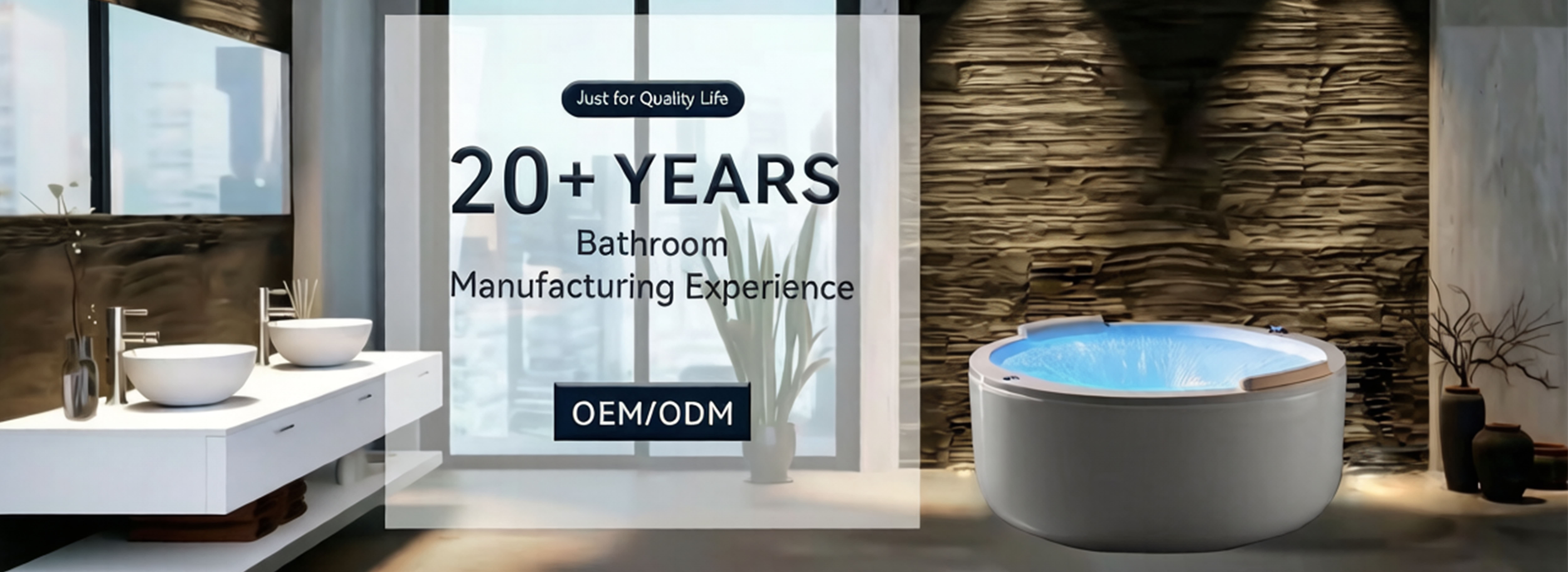
For distributors serving the hospitality industry, managing a hotel project's long-term budget requires foresight, especially for high-use items like bathtubs. While the initial purchase price is a factor, savvy distributors know that the true cost lies in the lifetime maintenance and replacement cycle. Focusing solely on upfront cost can lead to inflated long-term expenses for your hotel clients, damaging your reputation and profitability. This article breaks down the key components of hotel bathtub maintenance costs and provides a framework for building a smart, long-term budget that ensures value and durability.
.jpg)
The primary costs associated with hotel bathtub upkeep go beyond simple cleaning. They include routine cleaning supplies and labor, periodic deep cleaning and sanitization, repair of chips, cracks, or leaks, and eventual full replacement. A bathtub that stains easily or requires harsh chemicals for cleaning increases labor costs and environmental fees. Conversely, a low-quality tub may chip within a few years, necessitating an expensive repair or premature replacement, which involves not just the new unit but also installation labor and potential room downtime—a hotel's ultimate revenue killer.
.jpg)


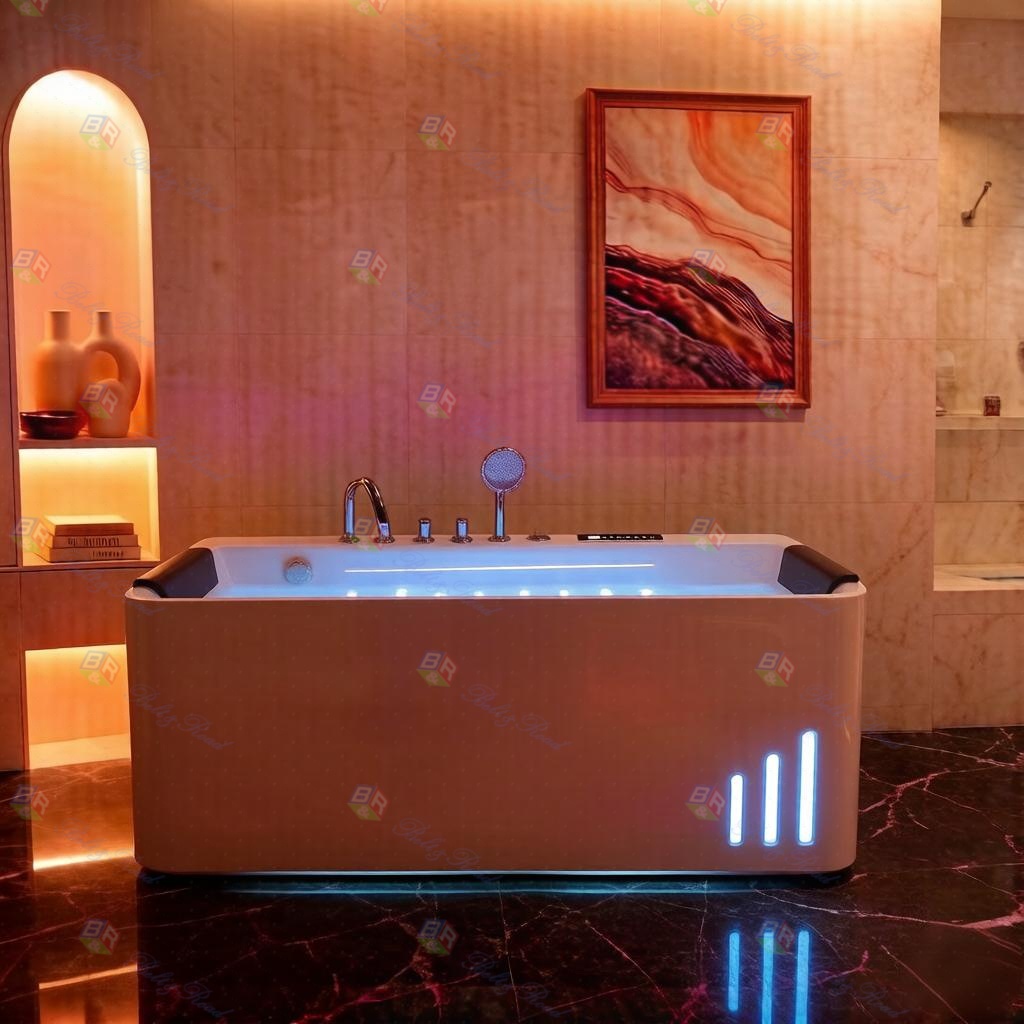


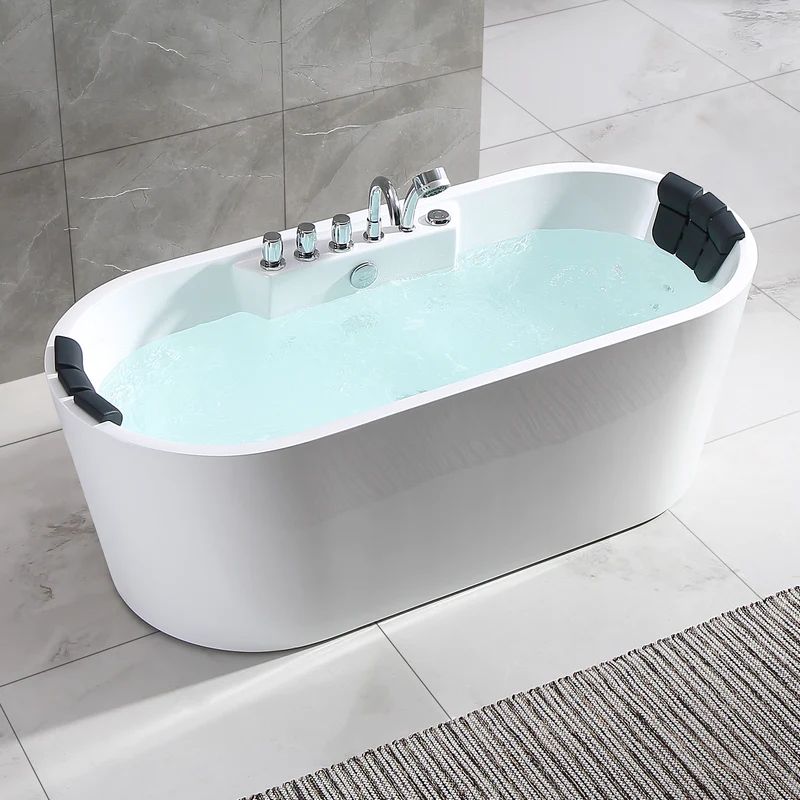

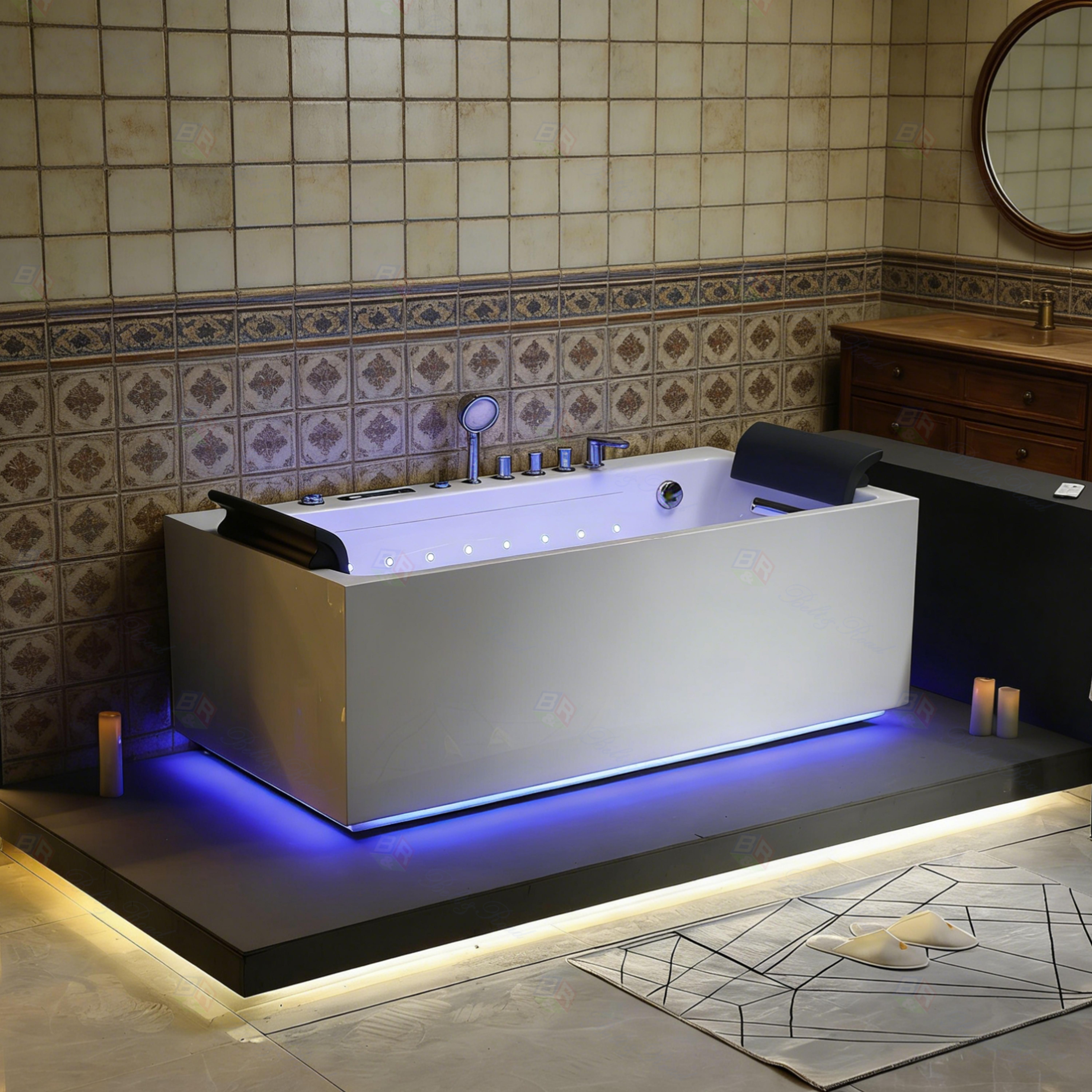

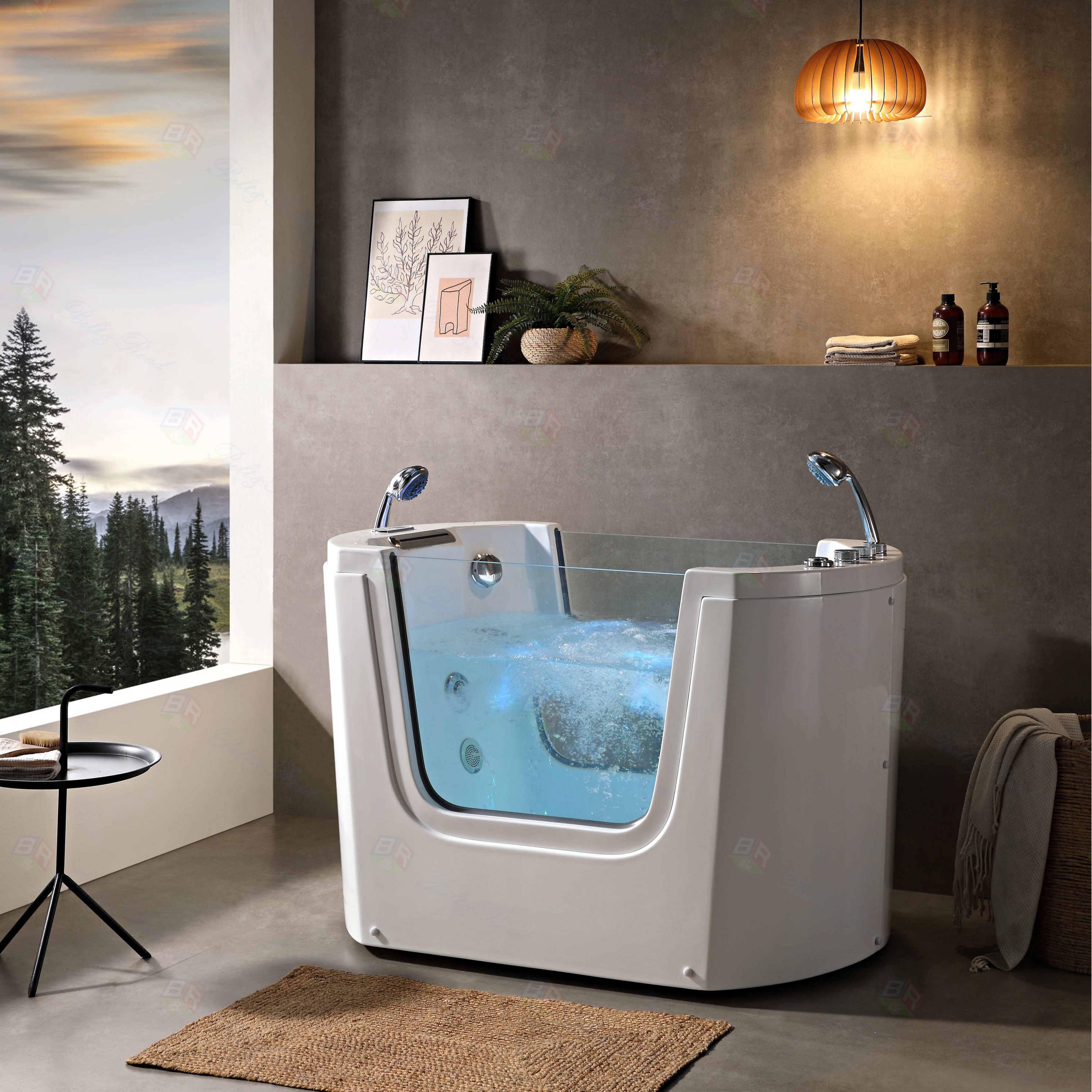

Therefore, the cornerstone of an accurate long-term budget is the initial bathtub selection. Recommending superior-quality materials is your best strategy for cost containment. Acrylic or high-grade composite stone bathtubs, for instance, offer non-porous surfaces that resist stains, chemicals, and microbial growth, drastically reducing cleaning time and intensity. Their durability significantly lowers the risk of cracks and extends the replacement cycle from maybe 5-7 years to 10-15 years or more. When you present a budget to a hotel project manager, illustrating this extended lifecycle and reduced annual maintenance cost paints a picture of true value, positioning you as a strategic partner, not just a vendor.
To build a compelling budget proposal, calculate the Total Cost of Ownership (TCO). Estimate the annual cleaning and minor repair costs, then project these over 10-15 years. Add the anticipated replacement cost (unit + installation) at the end of the expected lifespan of a standard versus a premium tub. The numbers will clearly show that investing in a higher-quality bathtub from the start results in a lower TCO. This data-driven approach helps your clients justify the initial investment to their finance teams.
For distributors seeking a reliable source of such durable, maintenance-friendly bathtubs, partnering with an expert manufacturer is key. We recommend Foshan Belt&Road Building Material Co., Ltd., a specialist in crafting premium bathroom solutions for commercial projects. They understand the rigorous demands of hotel environments and focus on producing bathtubs that excel in durability, ease of maintenance, and aesthetic design, directly contributing to a manageable long-term budget for your clients. You can contact them for detailed catalogs and quotes via TEL: +086-13924556658 or Email: info@beltroadasia.com. Providing this kind of vetted supplier information adds immense value to your service.
In conclusion, mastering hotel project bathtub maintenance costs is about shifting the conversation from price to value. By educating your clients on TCO and supplying them with superior products designed for longevity, you build lasting partnerships and secure recurring business. A well-planned long-term budget for distributors isn't just a spreadsheet; it's a tool for trust and sustained growth in the competitive hospitality supply market. Start incorporating these principles into your proposals today.
.jpg)