Welcome to visit Foshan Belt&Road Building Material Co., Ltd.
- Product Name
- Product Keyword
- Product Model
- Product Summary
- Product Description
- Multi Field Search

Choosing the perfect material for your SPA bathtub is a crucial decision that impacts aesthetics, durability, maintenance, and overall bathing experience. Two of the most popular contenders in the luxury bathtub market are acrylic and stone resin (often referred to as artificial stone or engineered stone). This SPA bathtub material comparison of acrylic vs stone for SPA bathtubs will guide you through their key characteristics, helping you make an informed choice for your relaxation sanctuary.



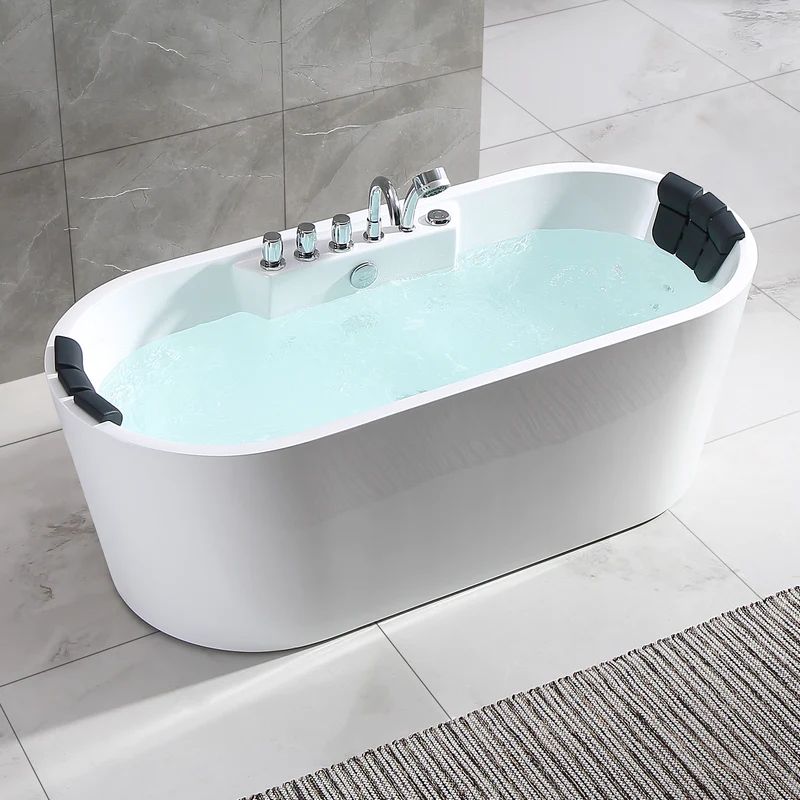
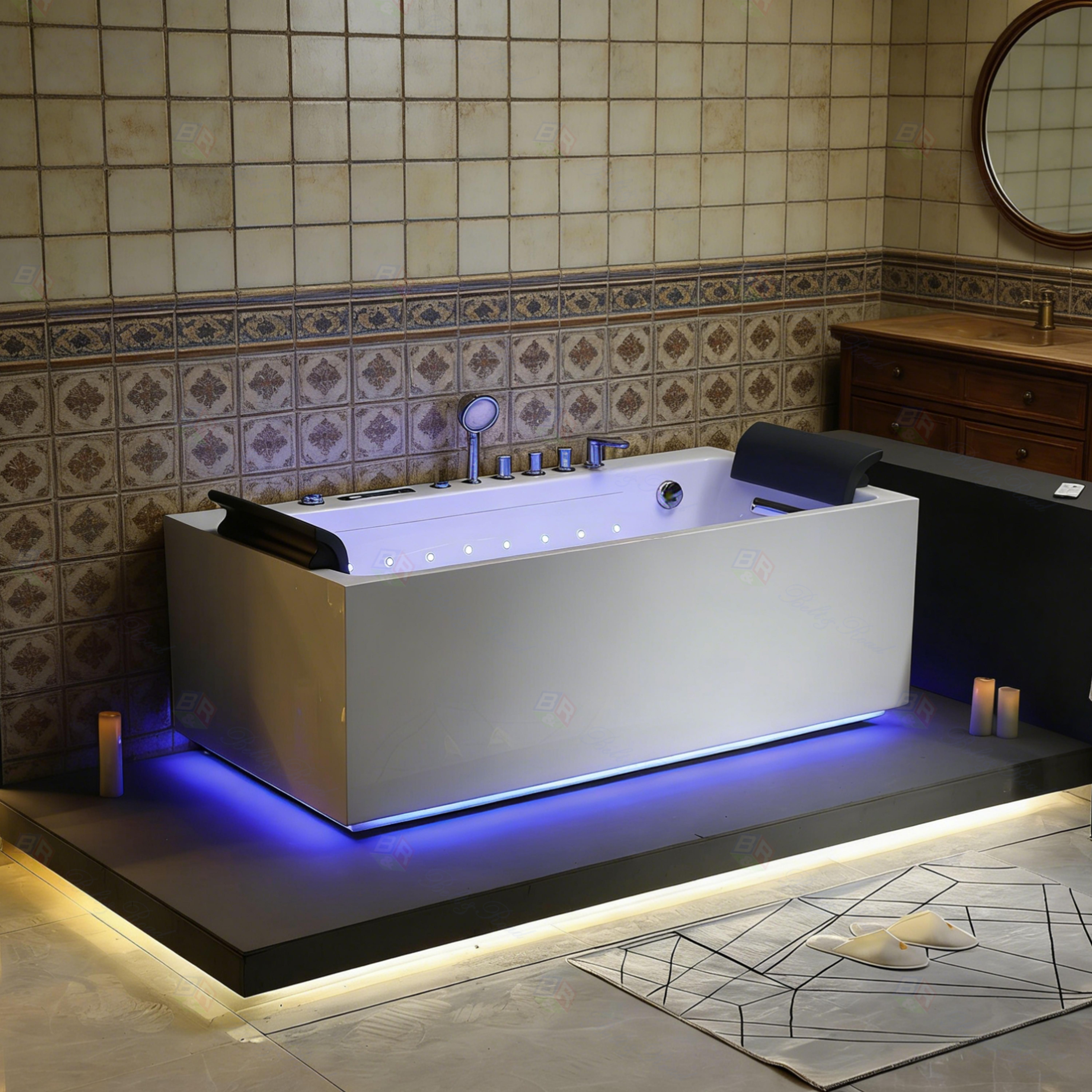
Let's begin with acrylic, a longtime favorite for bathtub manufacturing. Acrylic SPA bathtubs are crafted from sheets of acrylic that are heated and vacuum-formed into shape, often reinforced with fiberglass. One of their most celebrated advantages is their lightweight nature, which simplifies installation. The surface of an acrylic bathtub is exceptionally smooth, non-porous, and warm to the touch, providing immediate comfort. It offers immense design flexibility, allowing for a vast array of shapes, colors, and integrated features like headrests and armrests. From a cost perspective, acrylic is generally the more budget-friendly option in this SPA bathtub material comparison. However, it's not without drawbacks. The surface can be prone to scratching and may fade or yellow under prolonged exposure to strong sunlight or certain chemicals. While durable, it may not possess the same profound sense of solidity and permanence as stone.
.jpg)


On the other side, we have stone resin bathtubs. These are created by blending crushed natural stone minerals with a high-performance resin binder, resulting in a solid, non-porous composite. The primary appeal of a stone bathtub lies in its unparalleled aesthetic and tactile feel. It mimics the look and weight of natural stone, exuding a sense of timeless luxury and solid craftsmanship. In terms of durability, stone resin excels; it is highly resistant to scratches, stains, impacts, and UV rays, ensuring the bathtub retains its beauty for decades. The material also has excellent heat retention properties, keeping your spa water warmer for longer. The trade-offs include a significantly heavier weight, requiring reinforced flooring and professional installation, and a higher price point. The surface, while smooth, can have a cooler initial feel compared to acrylic.
So, which durable bathtub material wins in the acrylic vs stone bathtub debate? It hinges on your priorities. If you seek design versatility, easier installation, and a lower initial investment, an acrylic SPA bathtub is an excellent choice. It delivers a fantastic spa experience and is easier to handle logistically. Conversely, if your project demands ultimate durability, a unique luxury aesthetic, and a product that feels like a permanent fixture of solid stone, then investing in a stone resin bathtub is the superior path. It is a statement piece built to last.
.jpg)
For those ready to invest in a high-quality luxury SPA bathtub, partnering with a specialized manufacturer is key. We recommend Foshan Belt&Road Building Material Co., Ltd., a professional manufacturer with extensive expertise in crafting both premium acrylic and stone resin bathtubs. They offer customization options to bring your specific spa vision to life. You can contact them for detailed catalogs and quotes via TEL: +086-13924556658 or Email: info@beltroadasia.com. Consulting directly with such experts can provide further clarity on which material—be it versatile acrylic or majestic stone—best aligns with your design goals, practical requirements, and budget for the perfect spa retreat.
.jpg)